
Infrastructure Auditing
Comprehensive Data Centre Assessment, Risk Analysis and Optimisation
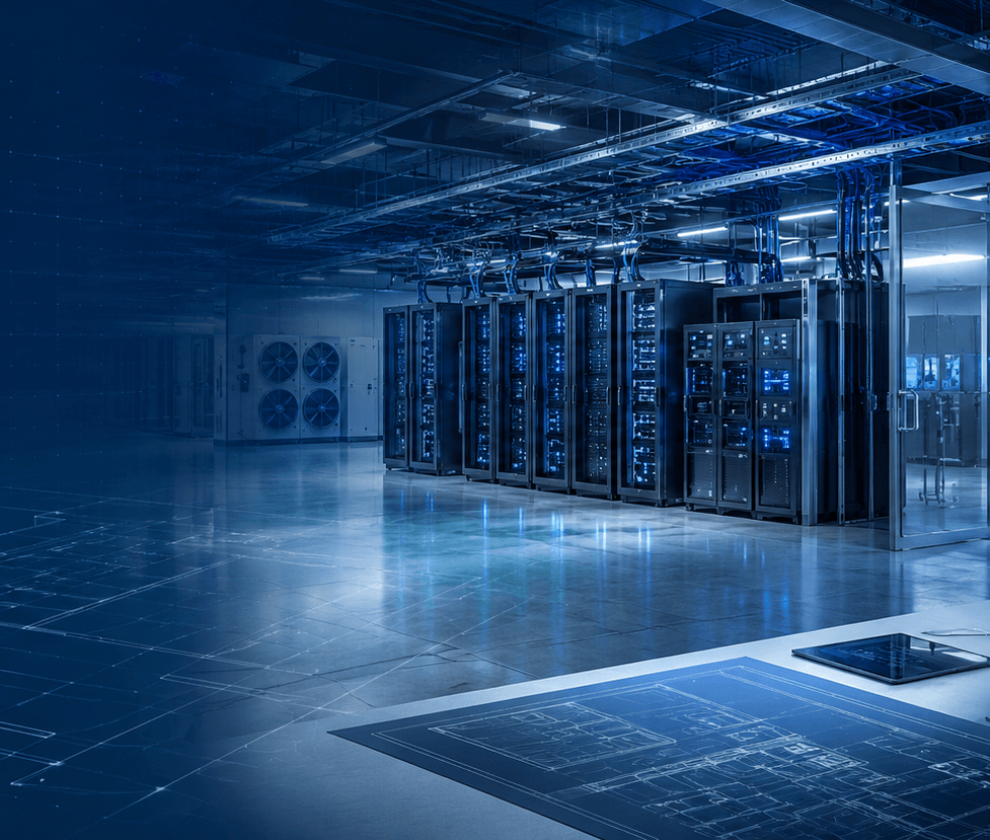
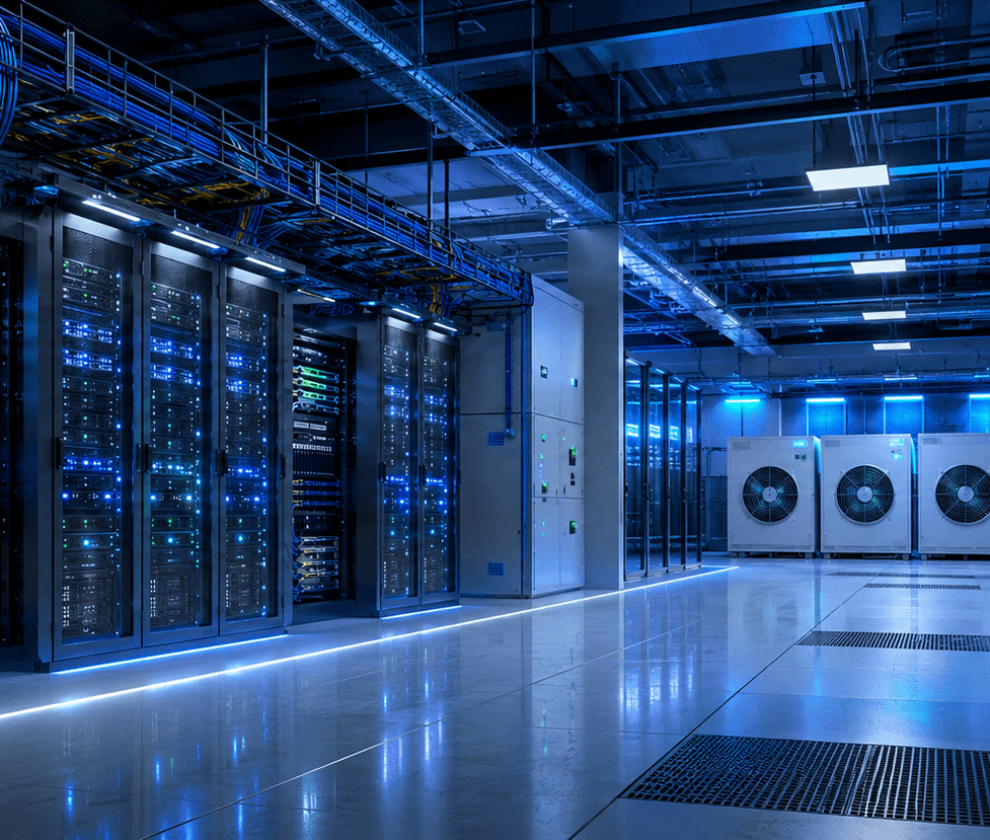
HiTech Lab Solutions offers comprehensive data centre infrastructure auditing services to evaluate the performance, reliability, security, efficiency, and compliance of critical IT and facility systems. We assess existing infrastructure according to workload requirements, availability targets, industry best practices, operational risks, energy-efficiency goals, security policies, and future expansion plans.


Thank you for connecting with us. We will respond to you shortly.
1
1
0%
https://hitechlab.in/wp-content/plugins/nex-forms
false
message
https://hitechlab.in/wp-admin/admin-ajax.php
https://hitechlab.in/infrastructure-auditing
yes
1
Comprehensive Assessment for Secure, Reliable and Efficient IT Operations
Infrastructure Auditing
HiTech Lab Solutions provides professional Infrastructure Auditing services for data centres, server rooms, enterprise IT environments, educational institutions, research organisations, government departments, healthcare facilities, cloud platforms and mission-critical technology operations.
Our infrastructure audits help organisations understand the current condition, performance, capacity, security and reliability of their IT environment. By reviewing servers, storage, networking, power, cooling, racks, cabling, cloud systems, backup platforms and operational processes, we identify risks, inefficiencies and improvement opportunities before they result in downtime, data loss or unnecessary expenditure.
Each audit is customised according to the customer’s infrastructure size, operational priorities, compliance requirements and future expansion plans.
IT Infrastructure Assessment
Our technical team performs a detailed review of the physical and virtual infrastructure supporting the organisation’s applications and users.
The audit may cover:
- Physical and virtual servers
- GPU and AI computing systems
- Storage platforms
- Network switches, routers and firewalls
- Virtualisation and cloud environments
- Backup and disaster recovery systems
- Operating systems and firmware
- Monitoring and management platforms
- Racks, power distribution and cabling
- UPS, battery and cooling infrastructure
We examine equipment configuration, utilisation, health, lifecycle status, redundancy and support readiness.
Security and Access Audit
Security is a critical part of infrastructure auditing. We review physical access, administrator privileges, network segmentation, firewall policies, remote access, password practices, system patching and monitoring coverage.
Where applicable, we also assess CCTV, biometric access control, rack security, environmental alarms and security-event logging.
The objective is to identify weak controls, excessive privileges, unprotected systems and areas that require stronger governance.
Power, Cooling and Environmental Audit
Our engineers assess the supporting infrastructure that protects IT equipment and maintains continuous operations.
The review may include UPS capacity, battery health, power distribution, rack-level load, redundancy, earthing, cooling performance, airflow, temperature, humidity and water-leak detection.
We identify overloaded circuits, insufficient backup capacity, hotspots, airflow restrictions and single points of failure that could affect equipment reliability.
Backup and Disaster Recovery Audit
We review backup schedules, retention policies, storage capacity, replication, off-site copies and recovery procedures.
The audit verifies whether backup jobs are completing successfully and whether critical applications and data can be restored within the required timeframe.
We also assess disaster recovery readiness, failover arrangements, documentation and testing frequency.
Asset, Documentation and Compliance Review
Accurate asset records and technical documentation are essential for effective infrastructure management. We review hardware inventories, serial numbers, warranty details, rack layouts, network diagrams, cable records, configuration backups and maintenance history.
Where relevant, the audit can also support internal governance, customer requirements and preparation for formal compliance assessments.
Our Approach to Infrastructure Auditing
Assess, Optimise, and Strengthen Your Infrastructure
At HiTech Lab Solutions, we follow a structured, evidence-based and risk-focused approach to infrastructure auditing. Our objective is to provide organisations with a clear understanding of their current IT environment, identify operational and technical risks, evaluate capacity and performance, and develop a practical roadmap for improvement.
We begin by understanding the purpose of the audit, the infrastructure to be reviewed and the expected business outcome.
The audit may focus on a complete data centre, server room, cloud environment, AI infrastructure, network, storage platform, backup system, power and cooling environment, or selected business-critical systems.
We define the audit scope, covered locations, systems, stakeholders, timelines, reporting requirements and areas of priority before the assessment begins.
Our team engages with IT administrators, facility managers, security personnel, application owners and management stakeholders to understand the current operating environment.
We collect available information such as:
- Asset inventories
- Architecture diagrams
- Rack layouts
- Network diagrams
- Server and storage configurations
- Backup policies
- Support contracts
- Maintenance records
- Incident history
- Capacity reports
- Security policies
- Disaster recovery procedures
This information provides the foundation for a complete and accurate assessment.
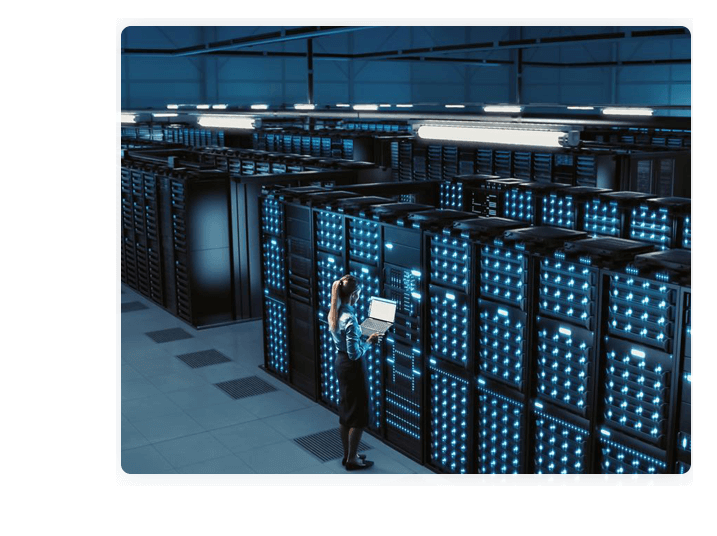
We conduct an on-site inspection of the data centre or server room to evaluate the physical condition and organisation of the infrastructure.
The inspection may cover racks, equipment placement, cable management, labelling, grounding, access control, CCTV, fire protection, environmental sensors, power distribution, UPS systems and cooling equipment.
We also assess maintenance accessibility, airflow, rack loading, equipment cleanliness and general operational safety.
Our technical team reviews physical servers, virtualisation hosts, GPU systems, storage platforms and related management tools.
We assess hardware health, utilisation, configuration, redundancy, firmware status, storage protection, resource allocation and remaining expansion capacity.
For AI and HPC environments, we may also review GPU utilisation, high-speed interconnects, cluster design and workload balance.
We evaluate switches, routers, firewalls, wireless systems, VLANs, IP addressing, routing, remote access and network segmentation.
The audit identifies capacity limitations, configuration risks, obsolete equipment, weak security controls, insufficient redundancy and single points of failure.
We also review administrator access, account privileges, password practices, patching status, logging and monitoring coverage.
Reliable power and cooling are essential for continuous infrastructure operation.
We assess utility input, UPS capacity, battery condition, backup duration, generator support, rack-level power load, power redundancy and distribution practices.
Cooling assessment includes temperature, humidity, airflow, cooling capacity, hotspot risk and equipment density. Environmental monitoring, water-leak detection and alarm coverage are also reviewed.
We examine backup schedules, job completion, retention, off-site copies, replication and restoration procedures.
The review also evaluates disaster recovery architecture, recovery priorities, documented recovery objectives, failover procedures and testing frequency.
Where possible, we verify whether backup and recovery controls are aligned with the importance of the protected workloads.
We analyse processor, memory, GPU, storage, network, rack, power and cooling utilisation.
Historical trends and projected growth are considered to identify capacity shortages and future expansion requirements.
We also review hardware lifecycle, warranty status, vendor support, software versions and end-of-support risks.
Audit findings are classified according to severity, likelihood and business impact.
Typical categories may include:
- Critical risks requiring immediate action
- High-priority operational issues
- Medium-term improvement areas
- Low-risk optimisation opportunities
- Compliance and documentation gaps
This prioritisation helps management focus resources on the most important corrective actions.
Our final deliverables may include an executive summary, detailed technical report, asset observations, risk register, capacity findings, diagrams, photographs and prioritised recommendations.
Where required, we present the findings to management and technical stakeholders, explaining the business impact, recommended actions and expected benefits.
HiTech Lab Solutions can assist with remediation planning, technology selection, budgeting, implementation, validation and future re-audits.
After improvements are completed, we can verify that the identified risks have been addressed and that the infrastructure is operating according to the recommended standard.
Our approach ensures that every infrastructure audit is systematic, technically grounded, clearly documented and focused on measurable operational improvement.
Why Choose Hitech?
- Comprehensive assessment of complete data centre infrastructure
- Evaluation of servers, storage, networking, power, cooling, and security
- Identification of performance gaps, risks, and inefficiencies
- Capacity, utilisation, and scalability analysis
- Review of racks, cabling, backup, and disaster recovery readiness
- Security and compliance assessment
- Energy-efficiency and operational-cost evaluation
- Clear audit findings supported by technical evidence
- Prioritised recommendations and improvement roadmap
- Practical guidance for upgrades, optimisation, and long-term infrastructure planning
OUR Capabilities
Detailed assessment of performance, security, capacity, efficiency, and compliance.
- Data centre infrastructure assessment
- Server, storage, and network auditing
- Power and cooling performance review
- Rack and cabling inspection
- Capacity and utilisation analysis
- Security and compliance assessment
- Backup and disaster recovery review
- Risk and vulnerability identification
- Energy-efficiency evaluation
- Audit reports and improvement recommendations


Best Data Centre Setup Consulting and Tailored Solutions since 2017.
read our blog
Featured News and Insights